

Applied Functional Science® – WINGX™ Movement Platform™
The Movement Industry Doesn’t Need More Equipment.
It Needs Better Movement Solutions.
The Foundation of the Applied Functional Science – WINGX Movement Platform.
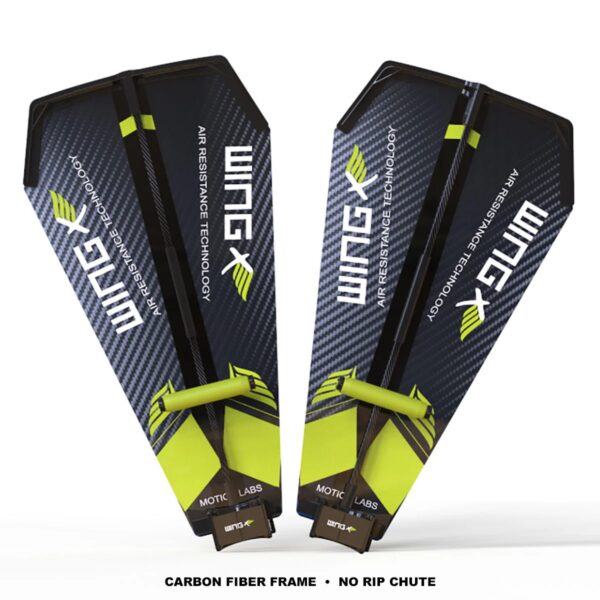
WINGX brings the movement tool. Its patented wearable air-resistance technology allows resistance to travel with the body through changes in direction and speed. Portability and freedom of movement create opportunities to use it in a variety of training environments.
Gray Institute brings the methodological foundation. Applied Functional Science provides a way to consider human movement in relation to the individual, the task, and the environment. The Institute’s contribution connects equipment use with purposeful professional decisions.
Together, the Partners Bring Coordinated Technology, Methodology, and Education.
Wearable Air Resistance.
Purposeful Programming.
Human movement can involve forward and backward motion, side-to-side motion, and rotation. Many tasks combine these directions as different parts of the body respond together.
The AFS-WINGX Movement Platform brings together WINGX wearable air-resistance technology, Gray Institute’s Applied Functional Science®, movement programming, and professional education.
It connects the equipment with a framework for movement professionals that allows them to decide how to use it: selecting movements, adapting the experience, and relating a session to an individual’s personal goals.
For clinicians, coaches, trainers, and organizations, the platform provides a foundation for purposeful three-dimensional movement. Shared principles support a consistent approach. Professional judgment shapes the application for each individual. The platform gives professionals a way to consider those demands when developing a session. A stepping task might include a reach. A turning action might involve a change in position. A coordinated pattern might be adapted to emphasize a particular direction or task.
WINGX supplies wearable resistance within the movement. The professional selects the pattern and adjusts its demands based on the person’s abilities, objectives, and response. This connection between movement and purpose guides the experience from the beginning.
Technology + Science + Programming + Education + Scalability

What the Platform Brings Together.
The platform connects five areas that support development and implementation:
1. WINGX wearable air-resistance technology. Portable hardware that carries resistance with the body and responds to movement speed.
2. Applied Functional Science. A methodological framework for considering the person, the task, and the environment when selecting and adapting movements.
3. Movement programming. AFS-informed exercise patterns and digital demonstrations that provide a reference for professional application.
4. Professional education. Learning resources that connect the methodology with WINGX use, alongside opportunities to explore deeper Gray Institute education.
5. A digital development roadmap. Future opportunities to extend the approach through remote delivery, movement analysis, individualized programming, and progress tracking.
The first four areas establish the platform’s current practical foundation. The digital roadmap describes opportunities for further development as capabilities become available.
Functional Training Should Adapt to People. Not Force People to Adapt to Equipment.

Resistance That Travels With the Movement.
WINGX wearable air-resistance technology gives professionals a portable tool for incorporating resistance into changing movement tasks.
Its speed-dependent loading creates another variable within a session. Moving more slowly produces a different resistance demand from moving more quickly. Direction, range, task, and pace can be considered together when developing an appropriate experience.
The wearable design allows professionals to explore stepping, reaching, turning, and coordinated movement without depending on a fixed machine path.
How those possibilities are used depends on the individual and the objective. Applied Functional Science provides the framework for making those decisions.
Applied Functional Science.
Understand the Person in Motion.
Applied Functional Science integrates physical, biological, and behavioral sciences to guide an understanding of human movement.
Physical sciences direct attention to forces such as gravity and momentum, and to the environment in which movement occurs.
Biological sciences direct attention to the body’s connected responses: how joints, muscles, and other systems contribute to a movement task.
Behavioral sciences direct attention to the person’s purpose, confidence, motivation, and experience of participation.
Together, these perspectives help professionals consider an activity in context. The relevant questions include what the person wants to do, how the person responds, and which changes could make the task more appropriate.
Within the platform, this framework connects wearable resistance with decisions about movement selection and adaptation.
Three-Dimensional Movement With a Purpose
Principle → Strategy → Technique
Principle: Understand What Guides the Movement
Begin with the principles relevant to the task: the forces involved, the body’s connected responses, and the person’s interaction with the environment. This establishes a foundation for the decisions that follow.
Strategy: Define the Objective for This Person
Consider the individual’s goals, current capabilities, preferences, and circumstances. Decide what the session should address and which movement demands are appropriate. A strategy for someone preparing for a recreational sport is different from one for someone pursuing general fitness or participating in clinician-directed care.
Technique: Select and Adapt the Application
Choose a movement pattern. Incorporate wearable air resistance where appropriate. Adjust direction, pace, range, sequence, or complexity according to the individual’s response. For example, if a coach may selects a stepping-and-reaching pattern for a client’s sport interests, they can then adapt the movement to keep it appropriate for the client’s current abilities. This gives each technique a purpose and a basis for progression or modification.
Programming That Supports Professional Judgment
The Applied Functional Science Exercise Library provides patterns and demonstrations that professionals can study, select, and adapt.
The WINGX – Applied Functional Science Exercise Library includes videos based on 3DMAPS® principles, connecting the library with Gray Institute’s broader assessment and performance perspective.
The WINGX – Applied Functional Science Exercise Library supplies a common reference. Professional judgment determines how a pattern fits the person and the session.
A trainer may adjust pace or range. A coach may connect a movement with a sport-related objective. A qualified clinician may evaluate an appropriate adaptation within a plan of care.
These decisions turn a demonstrated pattern into an individualized application.
They also give teams useful material for discussion: why a movement was selected, how it was adapted, and what the participant’s response suggests for the next session.
Gray Institute’s Principle → Strategy → Technique Process
Connects Understanding with Practical Applications.
Consistent Principles.
Platform education helps professionals connect movement principles with practical WINGX application.
The webinar series explores the relationship between AFS concepts and wearable air resistance. Demonstrations provide examples of that relationship in practice. Educational content supplies context for selecting and adapting the experience. Together, these resources can support staff introductions, team discussions, and continued learning.
The platform also connects professionals with Gray Institute’s broader educational pathways, including 3DMAPS®, Certification in Applied Functional Science, and the Gray Institute for Functional Transformation mentorship.
Those pathways provide opportunities for deeper study. Access to specific courses, certification requirements, and the resources included in a proposed WINGX implementation should be established during planning.
For an organization, education provides a foundation for building staff confidence and a shared understanding of the approach.
Individualized Movement.
Organizations need an approach their teams can explain and apply across locations. Participants need experiences that reflect their individual goals and abilities.
The platform connects those needs through a shared framework.
Staff can use common terminology, educational resources, and programming references while adapting the experience for each person. A consistent approach to decision-making can support different movement selections, paces, and progressions.
For multi-location operators, this provides a basis for onboarding and program development. For individual practitioners, it helps organize sessions and explain their reasoning to participants.
The framework can remain recognizable as the application changes. That gives organizations a practical way to develop coherence across teams while respecting individual differences.
Education That Connects the Why With the How
Applications Across Professional Settings
The platform can be considered wherever qualified professionals develop purposeful movement experiences.
Fitness facilities and multi-location operators: Connect equipment, programming, and education within an approach that staff can learn and adapt for their participants.
Sport and performance environments: Explore relevant stepping, reaching, turning, and coordinated movement demands within goal-directed sessions.
Rehabilitation and healthcare settings: Allow qualified clinicians to evaluate whether wearable air resistance fits an individual’s needs and plan of care.
Corporate, occupational, and tactical programs: Consider movement tasks in relation to participants’ work demands and the practical requirements of the environment.
Active-aging programs: Develop professionally guided experiences around participants’ activities, interests, and current capabilities.
The setting determines the application. The common foundation is the connection between wearable technology, movement methodology, and informed professional decisions.
Implementation Planned Around Goals
A useful implementation begins with the people you serve and the objectives you want to address.
Planning can clarify who will lead the experience, how the platform will fit existing programs, and which hardware, content, and educational resources are relevant.
Licensing discussions can establish the scope of the offering, applicable usage rights, staff preparation, and implementation support. Organizations can also identify measures appropriate to their goals, such as participation, staff readiness, participant feedback, and relevant performance or functional assessments.
An initial implementation provides an opportunity to review the experience and refine the approach before expanding it.
The aim is a platform application that fits your organization and gives your team a clear foundation for delivering it.